


Cornwall Living
Common sense appeal
Storms and rising oil prices – time for a rethink?
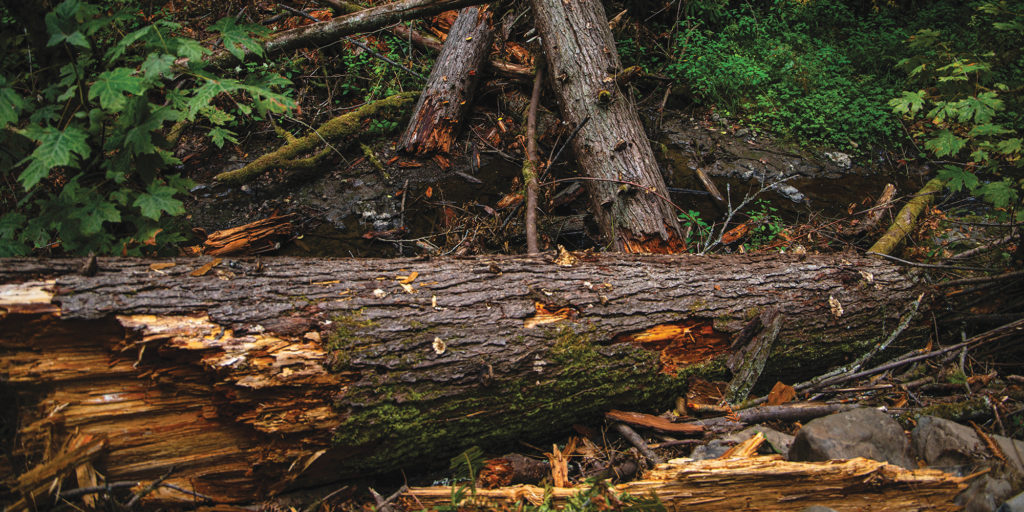
A fallen tree can block a road, crush a wall, or lie where it lands until someone cuts it up. In Cornwall this winter, it also reminded people of something fundamental – wood is still a fuel. When the wind dropped after the January storm, chainsaws started, and stacks of timber began to appear beside gateways and farm tracks. It was an existential moment.
The storm in question, as most of us in this part of the world won’t forget too soon, was Storm Goretti, which brought winds over 100mph to Cornwall and the Isles of Scilly causing widespread disruption across the county. Thousands of homes lost power and water supplies, and roads were blocked by fallen trees while crews worked to clear them. The scale of damage surprised even those accustomed to Atlantic weather. Tens of thousands of properties were temporarily without electricity, whilst entire communities were cut off as fallen timber brought down power lines and blocked routes, causing general mayhem.
In the aftermath, the immediate concern was safety and repair. Yet the volume of timber brought down across the county also pointed to something longer term. Cornwall’s landscape is shaped by woodland management as much as farming. Trees grow, they are thinned or coppiced, and the resulting wood has traditionally supplied everything from fencing to firewood. Storms accelerate the process, leaving a sudden surplus that must be cleared, cut and used. For households with wood-burning stoves, this local resource becomes directly relevant.
This practical side of domestic heating has taken on renewed significance in recent weeks. Across rural Britain, households reliant on heating oil have been watching prices climb sharply as conflict in the Middle East unsettles global energy markets. The disruption of oil supplies and fears about shipping through the Strait of Hormuz have driven crude prices above $100 a barrel, pushing up the cost of fuels derived from it. Heating oil has been particularly affected because the market is largely unregulated, leaving many rural households exposed to sudden price changes.
In parts of the West Country the effect has been immediate. The price of kerosene, the fuel used in most domestic oil boilers, has more than doubled in recent months, rising from around 60p per litre earlier in the year to well above £1.40. For a typical delivery of several hundred litres, the cost now runs into many hundreds of pounds. That volatility has prompted government concern and an investigation by the Competition and Markets Authority into pricing practices across the sector.
The result is a renewed interest in alternatives that are less tied to international energy markets. A wood-burning stove is not immune to cost pressures, but it operates in a different system. Fuel can often be sourced locally, particularly in rural counties where woodland management is part of the agricultural economy. Logs may come from storm clearance, thinning operations, or managed coppice rotations, creating a cycle in which the fuel originates close to the homes where it is used.
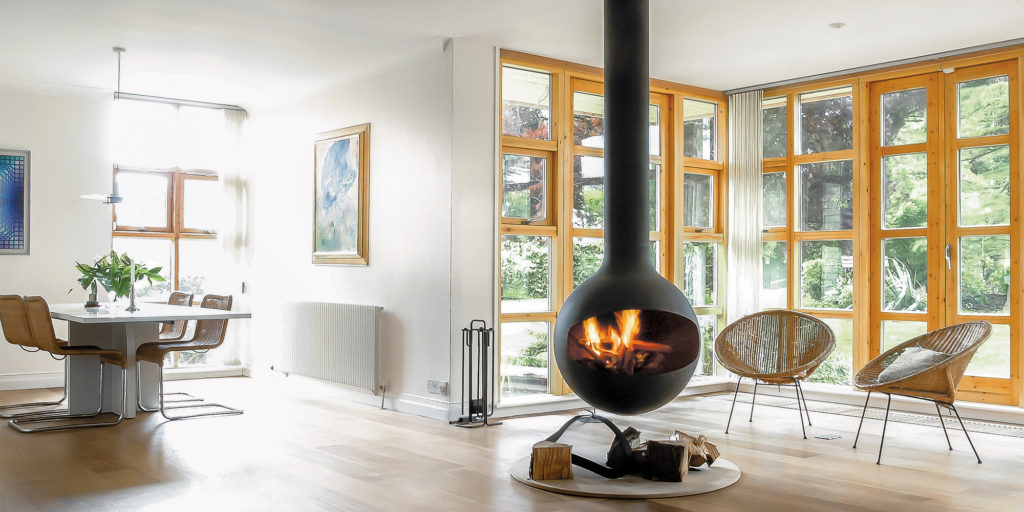
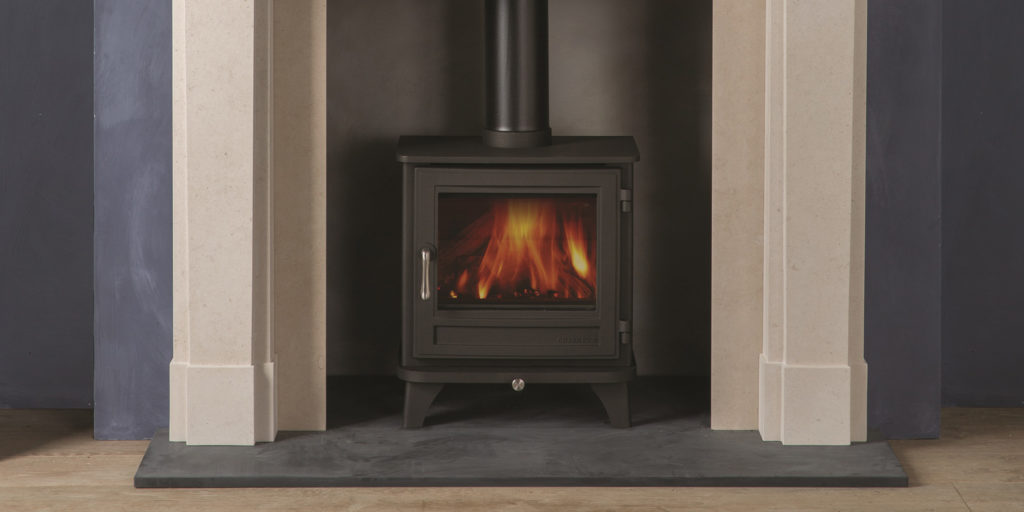
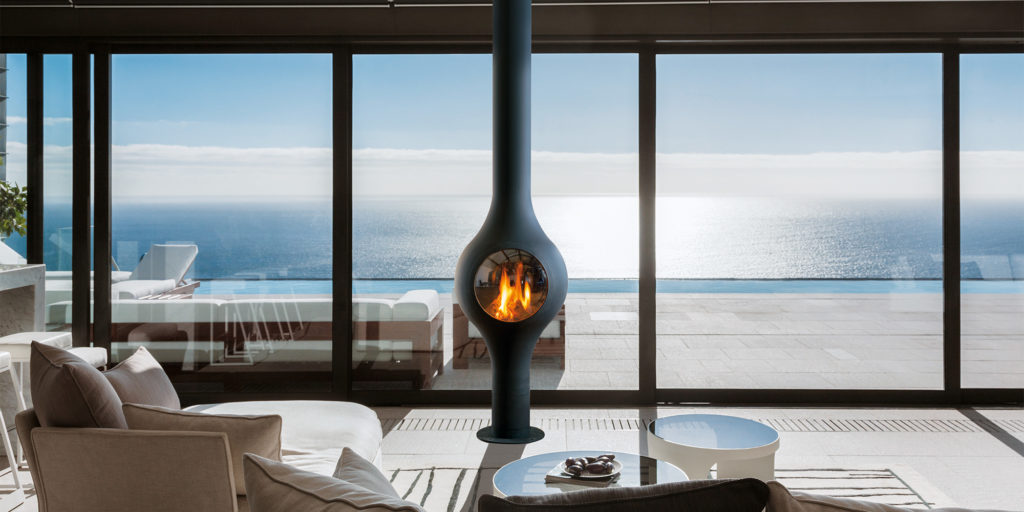
This connection between woodland and household heating sits behind the work of Wendron Stoves. Based near Helston, the company installs and maintains wood-burning stoves for homes across west Cornwall. Each installation requires assessing the structure of a building, ensuring flues comply with regulations, and selecting a stove appropriate to the size and layout of the property. In rural houses where oil tanks once dominated the garden, a wood burner has increasingly become either a supplement or an alternative.
Part of the appeal lies in independence. A stove does not rely on an external supply chain in the same way as gas or oil heating. When storms disrupt power lines or deliveries are delayed, a stove can still operate. In January, as the consequences of Storm Goretti became clear, thousands of homes were left temporarily without electricity. In those circumstances, a stove connected to a chimney continues to produce heat without being dependent on the grid.
That resilience matters in a county where extreme weather is becoming more frequent. Storms may be brief, but the damage they cause can take days to repair, especially in rural areas with scattered settlements and narrow roads. A heating system that continues to function in the absence of electricity
offers a reassuring measure of security during those interruptions.
For companies such as Wendron Stoves, that reality underpins their business. Installing a stove is not presented as a solution to every problem in the energy market. What it offers instead is something practical: a source of heat that draws on a local fuel and functions independently of international price swings. At a moment when global events are pushing energy costs upward, that straightforward proposition has begun to resonate again in rural communities.
WENDRON STOVES
Unit 4 Water-Ma-Trout Industrial Estate,
Helston
TR12 0LW
01326 572878
www.wendronstoves.co.uk