

Cornwall Living
Creative Spaces
Discovering Krowji; an inspirational environment that acts as an invaluable creative hub for Cornwall.
Words by Hannah Tapping
Walking into the Old Grammar School building at Krowji heralds a moment of nostalgia. The parquet floors bare the imprints of decades of feet walking to lessons; wooden stair rails reveal the patina created by many a hand; while high ceilings and vast windows echo with the sound of voices from times past. Today, while children no longer roam the corridors, the space continues to be a place of learning and creativity.
Krowji – meaning ‘workshop’ or ‘shed’ in Cornish – was built on a foundation where making, crafting and creating come first. Over the past two decades, it has evolved into a cultural ecosystem where artistic practice thrives, connections are made and ideas abound. The story of Krowji began with a clear intention; to provide a professional, supportive environment where creative practitioners could flourish. Founded in 1983, Creative Kernow (formerly ACT) provides a wide range of creative programmes and activities, working towards a thriving Cornwall powered by creativity. In line with its ethos of championing creativity as a force for positive change, it had a vision to develop a hub in which a diverse spectrum of creatives could work alongside each other, supporting, promoting and collaborating to contribute to the growth of the creative economy in Cornwall. Creative Kernow purchased the former grammar school site in Redruth in 2005 and Krowji Ltd, a wholly owned subsidiary of Creative Kernow, was formed in 2007.
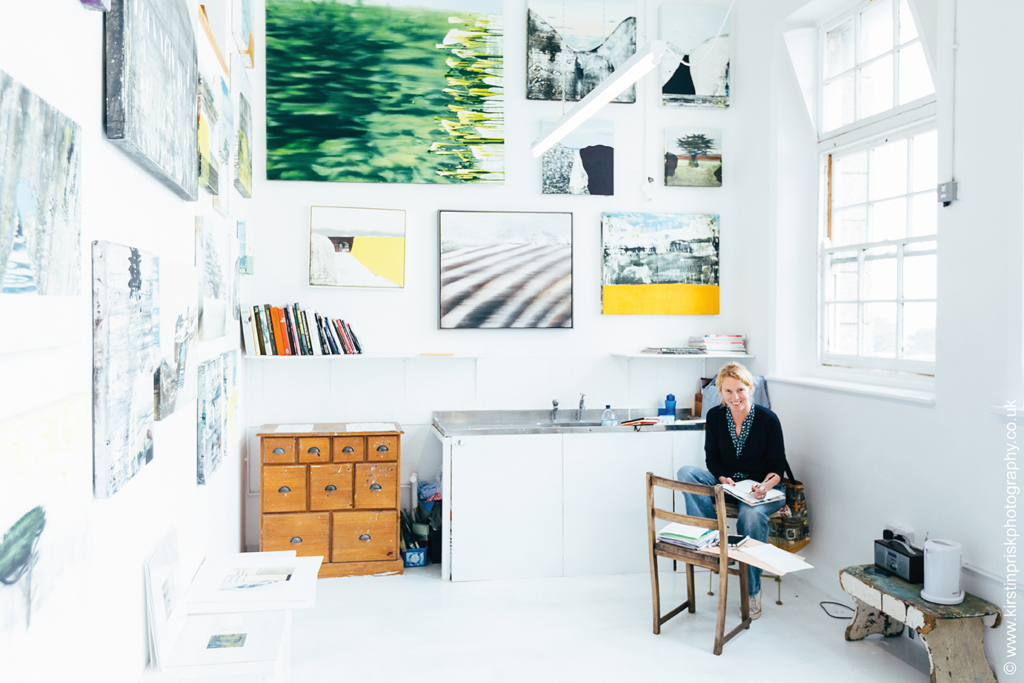
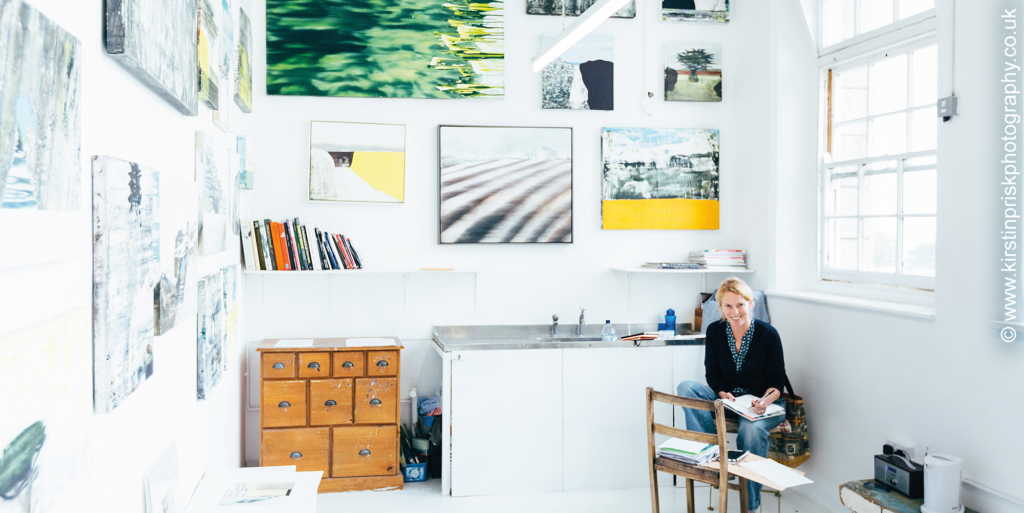
Kerry Harding in her studio
Since then, significant investment has taken place. Phase one, part-funded by the European Regional Development Fund, opened in 2015, saw construction of 20,000 sq.ft. of workspace to expand the creative industries cluster with 50 new units in a new building which has a BREEAM ‘Excellent’ accreditation, incorporating photovoltaic cells and other environmentally sustainable features. Phase two started on site in summer 2019, expanding the flagship Percy
Williams Building. The Phase two development, funded mostly by the European Regional Development Fund, Arts Council England, and Cornwall Council, created an extra 21 “BREEAM Excellent” studios, adding space for around 40 people.
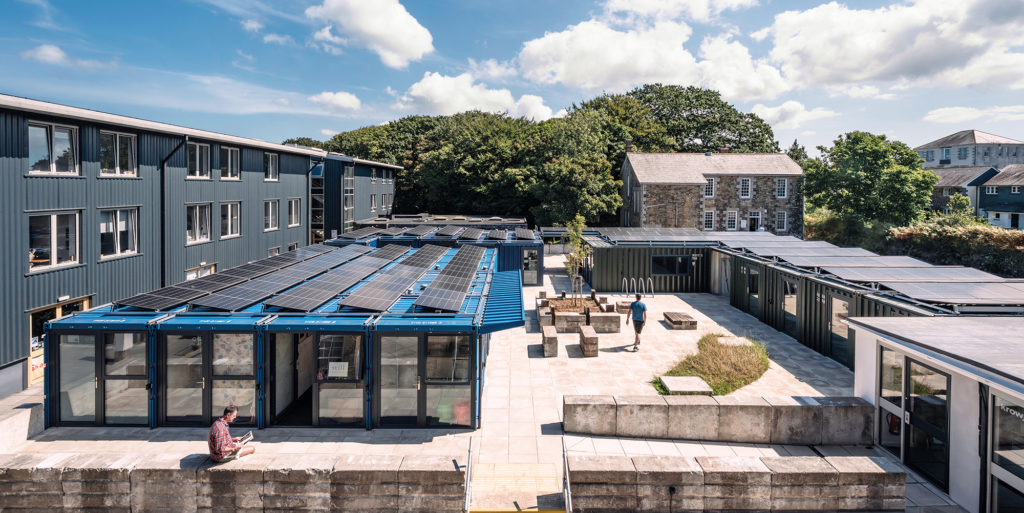
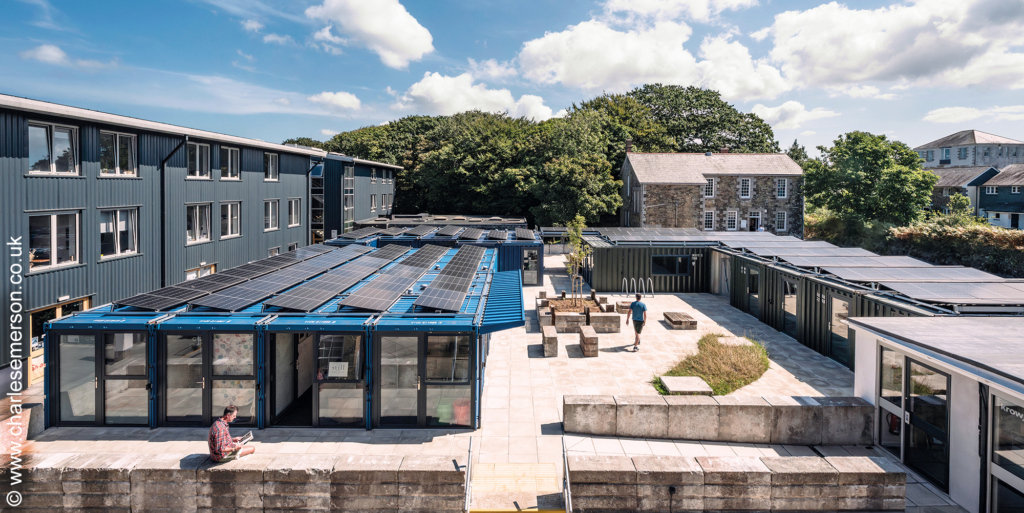
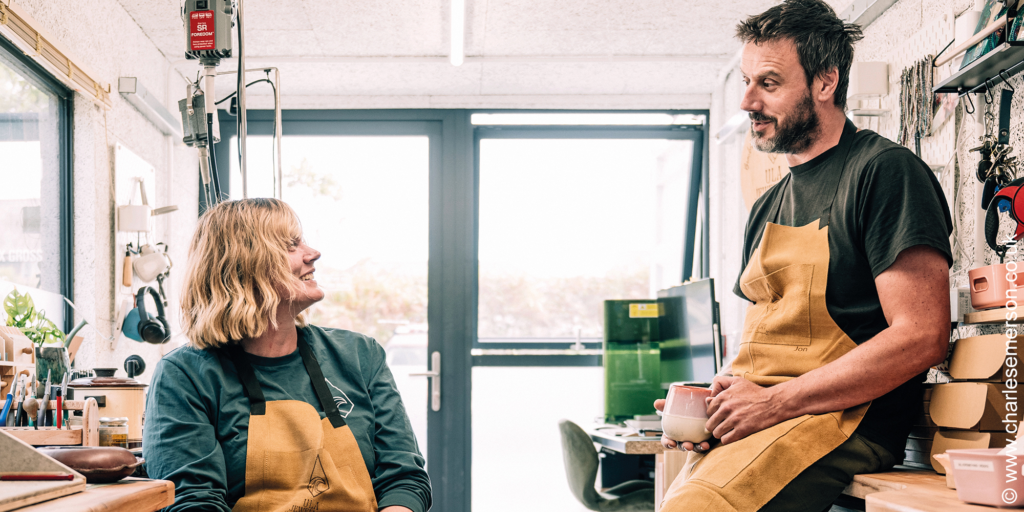
Phase three of the development saw 19 container studios open in May 2025 to replace studios lost to fire in 2021. Funded by Cornwall and Isles of Scilly Good Growth Programme, which is managed by Cornwall Council and also by the UK Government through the UK Shared Prosperity Fund, this series of custom-built sustainable studios were designed specifically to accommodate semi-industrial artists and makers with noisier or messier disciplines. From sculptors and installation artists, leather workers, small-scale metal and wood workers, ceramicists, jewellers and sound/audio artists, the tenants have the option of a dedicated outside working area attached to their studio.
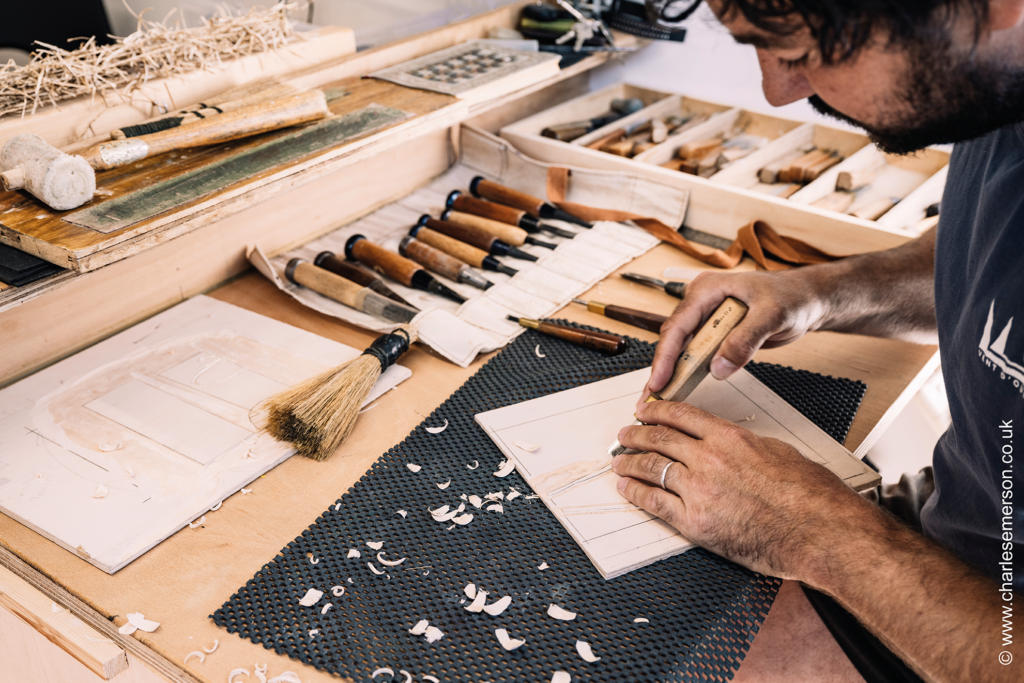
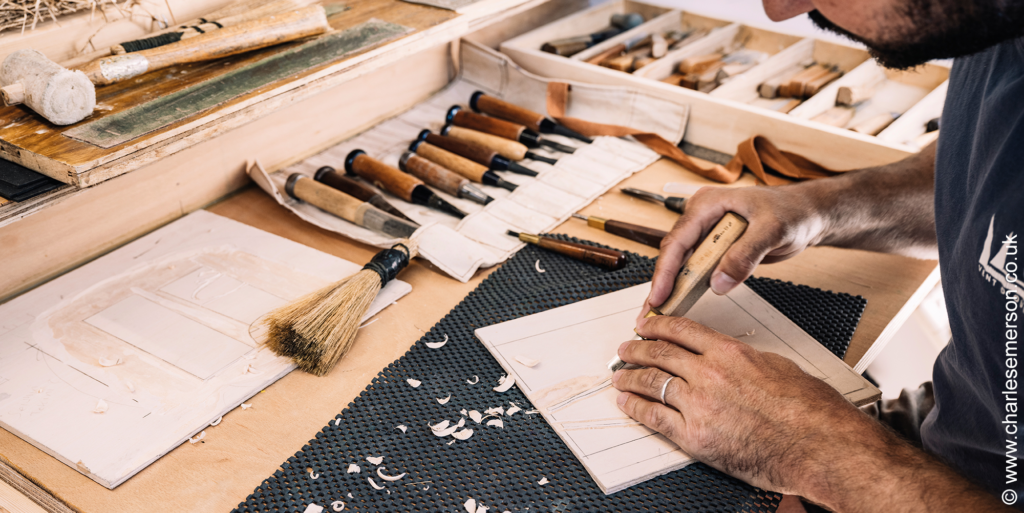
Woodblock printmaker, Adrian Holmes
Unlike traditional artist studios that might simply offer space and facilities, Krowji was conceived with a wider purpose: to nurture a creative community where artists benefit from proximity to one another, share ideas and inspiration and access resources that support both artistic and professional growth. Today, that purpose is reflected throughout the hub, from shared pottery workshops and jewellers’ studios to bright open-plan spaces, meeting rooms and an in-house café housed in one of the old school halls. In a landscape where working in isolation remains common for many creatives, Krowji offers a place to be part of a wider creative network while maintaining the freedom of individual practice.
Krowji provides studios in a variety of sizes and formats to meet the practical demands of diverse creative practices. Whether an artist requires a compact private studio for focused work or a larger open-plan area for installations and collaborative projects, the hub offers flexible and affordable solutions. Many artists value the 24-hour access, central location and security that comes with having dedicated professional space beyond the constraints of working from home.
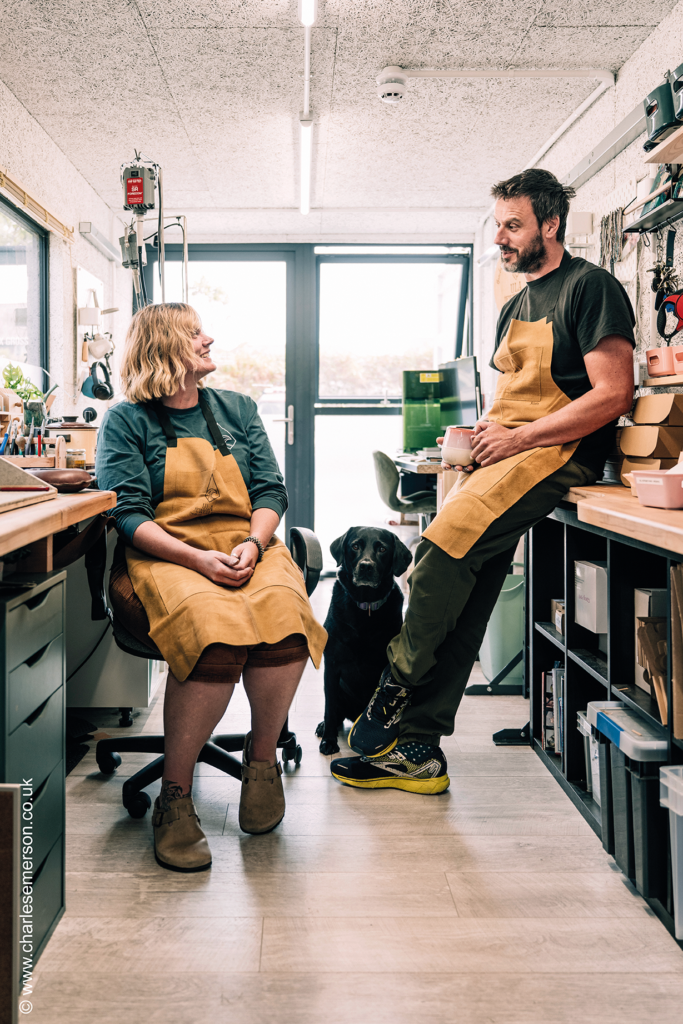
Ula Jewellery in their new container studio
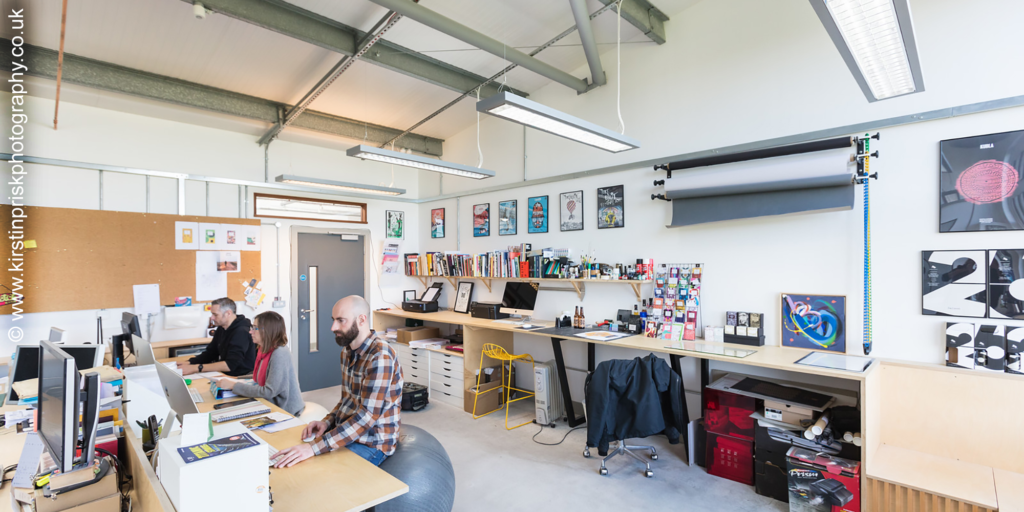
Much attention to detail is paid here. The larger studios have high ceilings and vast windows in order to maximise on light, as well as the views across Cornwall’s mining landscape to Carn Brea beyond. Corridors flow between studios and as we pass through, artist’s work adorns the walls along the way. Some studios are wonderfully eclectic, piled up with artistic ephemera; others boast minimalist spaces as graphic designers ply their trade behind pristine iMacs. The combination of creative minds here holds no bounds.
The hub has also hosted residency programmes and collaborative initiatives designed to expand artists’ professional horizons. The Krowji and Cornwall College Graduate Studio Award, for example, bridged the gap between academic study and professional practice by offering early-career artists a year of
rent-free studio space alongside professional development support. I was lucky enough to visit the shared studio of ceramicist Sarah Cooling, who started her personal Krowji journey with a residency. Sharing a space with artist Andrew Barrowman, the pair tell me that being able to work alongside other creatives is hugely beneficial.
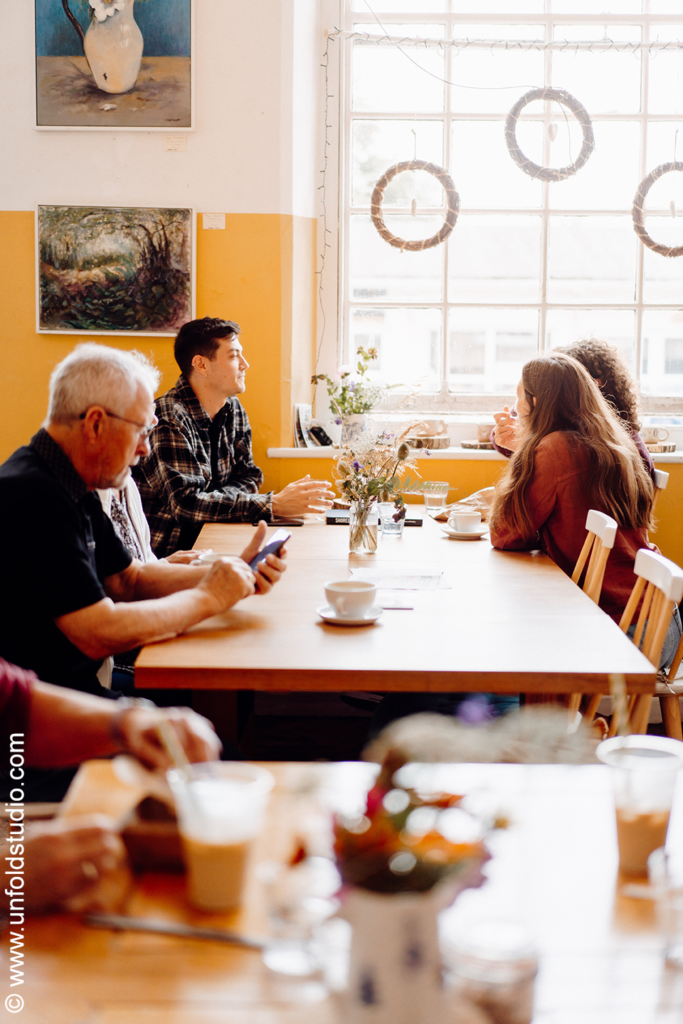
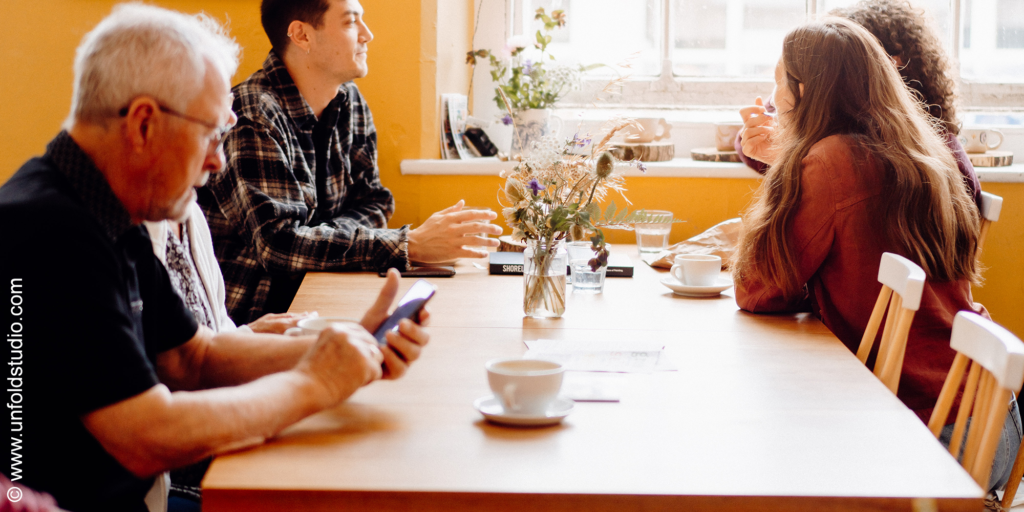
The Grow Box café at Krowji
Krowji also offers occasional project space opportunities where Creative Kernow Associates members can apply to use a studio for a specific piece of work for one to two months. Through this, Krowji has attracted both emerging and established artists needing space to develop work for a solo show.
Another such success story is a collaboration between artists Chloe Woods and Gary Ray Smith, whose muse Claude Decrepney has become hot property in the art world. By working together, they have taken Claude on a creative journey that might otherwise not have happened. It’s clear as we chat, that their shared studio and ideas have unlocked endless, and sometimes
surprising opportunities.
In support of its tenants, Krowji also extends its impact through community and public engagement initiatives. Events such as last year’s Summer Showcase and their annual Open Studios, allow artists to open their workspaces to the public, encouraging dialogue between makers and audiences while increasing visibility for individual practice.
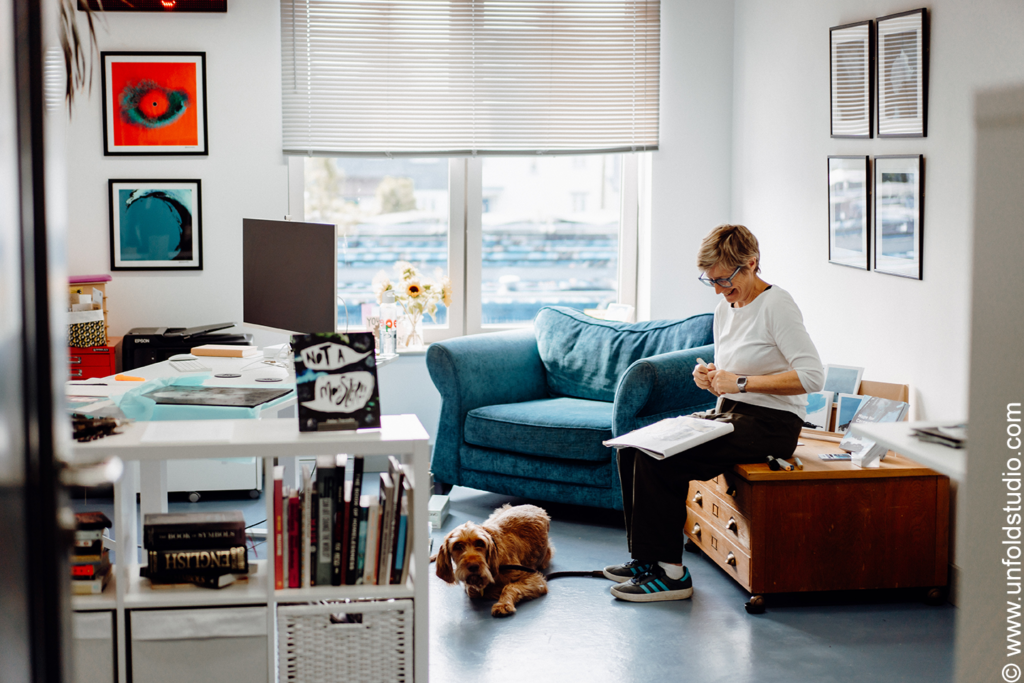
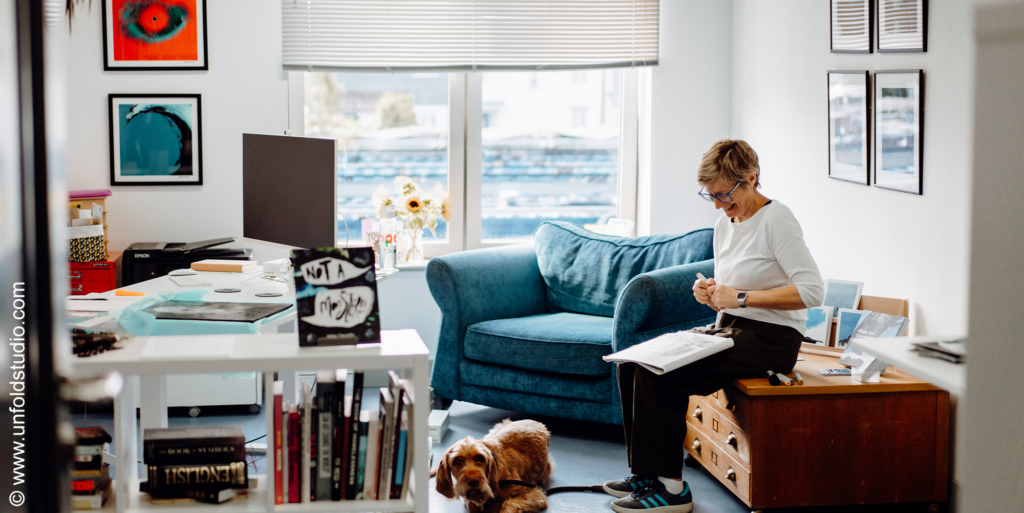
Illustrator and storyteller, Helen Trevaskis
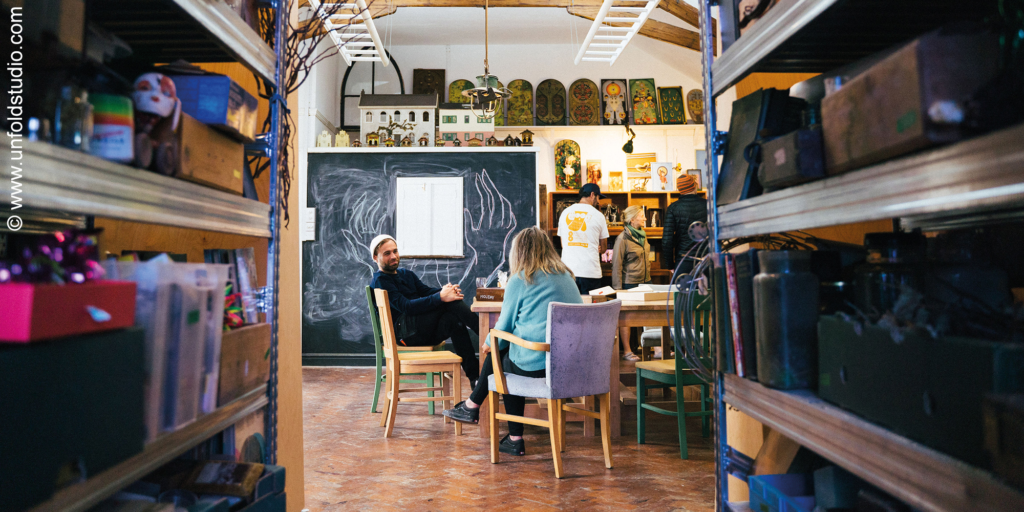
Krowji is also home to Bill’s Attic. Sited in the converted Old Schoolhouse this incredible ‘creation and contemplation’ space contains thousands of artefacts. The collection was bequeathed by Bill Mitchell, internationally recognised Artistic Director of WildWorks and Kneehigh Theatre, who died in 2017. A gift for the artist in everyone and aimed at inspiring a fresh generation of creators, makers, thinkers and radicals the space is available to hire for workshops, meetings and residencies.
In an era when creative careers are increasingly precarious and often lack institutional support, spaces like Krowji provide essential infrastructure. It is about access to a professional workspace, connection to peers and entry into networks that generate opportunity. For many artists based in Cornwall and beyond, Krowji functions as an invaluable creative base. Since its inception, Krowji has grown to become Cornwall’s largest creative hub, now hosting over 150 studios and workspace tailored to the diverse needs of visual artists, makers, designers, digital creatives and cultural organisations.