Cornwall Living
In conversation
Shooting the culinary breeze with some of the stars of the recent Porthleven Food Festival.
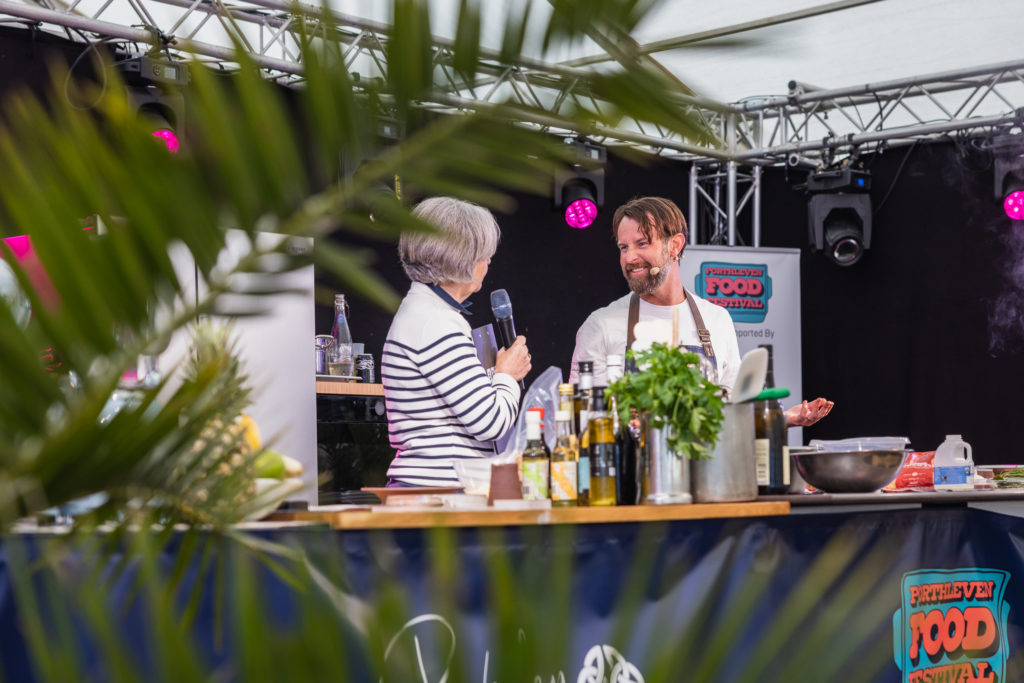
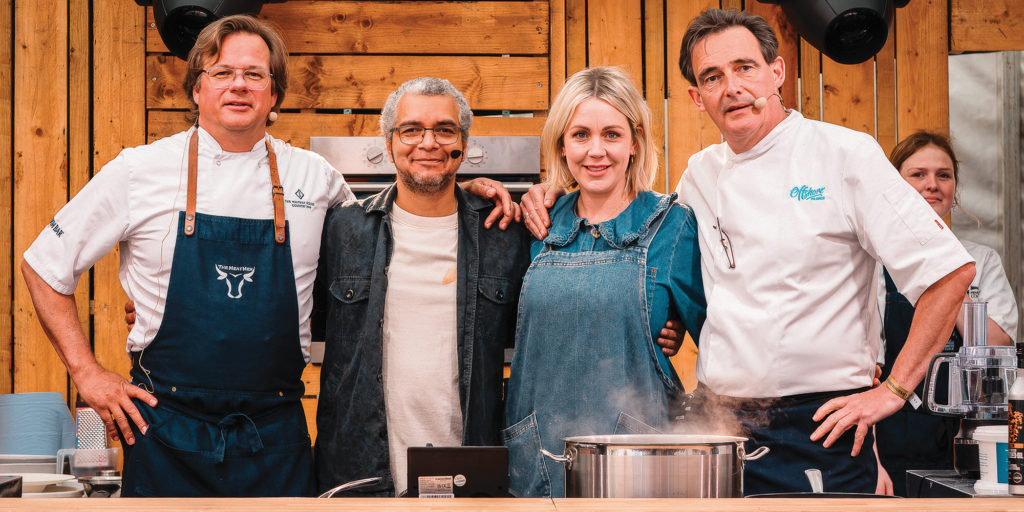
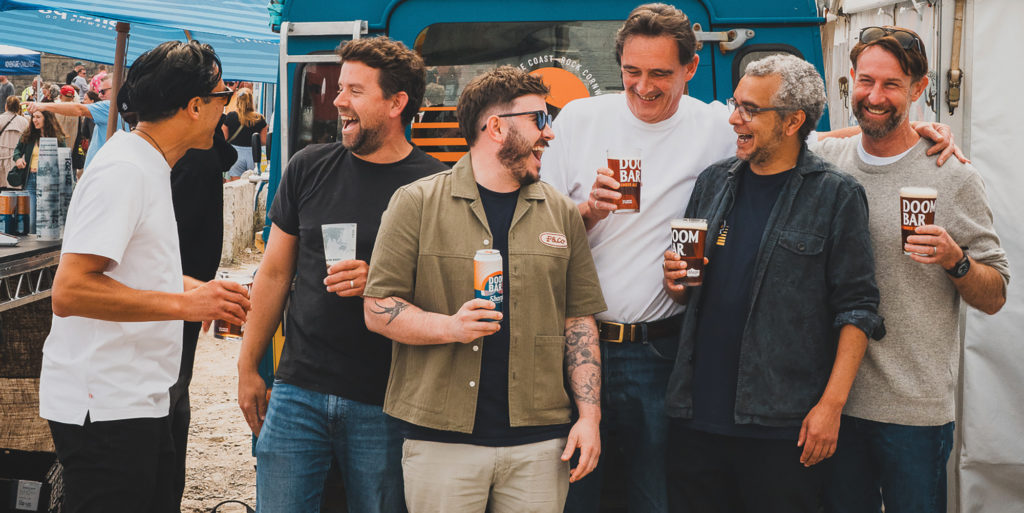
Walking along the harbour front on one of the first proper full-on sunny days of the year, we weren’t sure what to expect. We’d been invited to attend an intimate event on the first day of the Porthleven Food Festival entitled The Chef’s Table – Scales, Tails, Hops & Chops, instigated by Sharp’s Brewery and hosted by their very own beer sommelier, Ed Hughes.
All we knew from the pre-event information was that Henk de Villiers Ferreira and Stephane Delourme would be in attendance, both big-hitters in the world of Cornish cuisine. South African-born Henk is well known in Cornwall for his exceptional steaks, drawing upon a sound knowledge of beef inherited from his cattle-farming grandfather and refined through expert butchery and ageing techniques. After building a loyal following at Trevose Golf and Country Club, he now runs Trevisker’s Kitchen near Padstow and The Halfway House near Wadebridge, where he serves unfussy, high-quality food inspired by North Cornwall’s coastal and rural way of life. Stephane, widely regarded as one of the country’s leading seafood chefs, spent 25 years at the helm of Rick Stein’s Seafood Restaurant in Padstow, building a reputation grounded in classical French training and a lifelong passion for exceptional ingredients. Now stepping away to begin an independent chapter, he is focusing on private dining, pop-ups and culinary collaborations that bring his refined, globally inspired cooking closer to people and place.
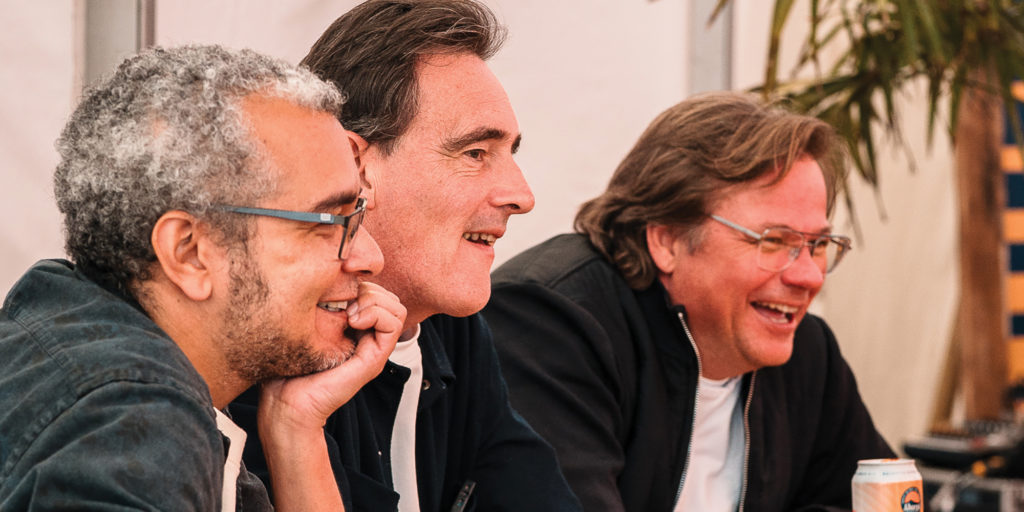
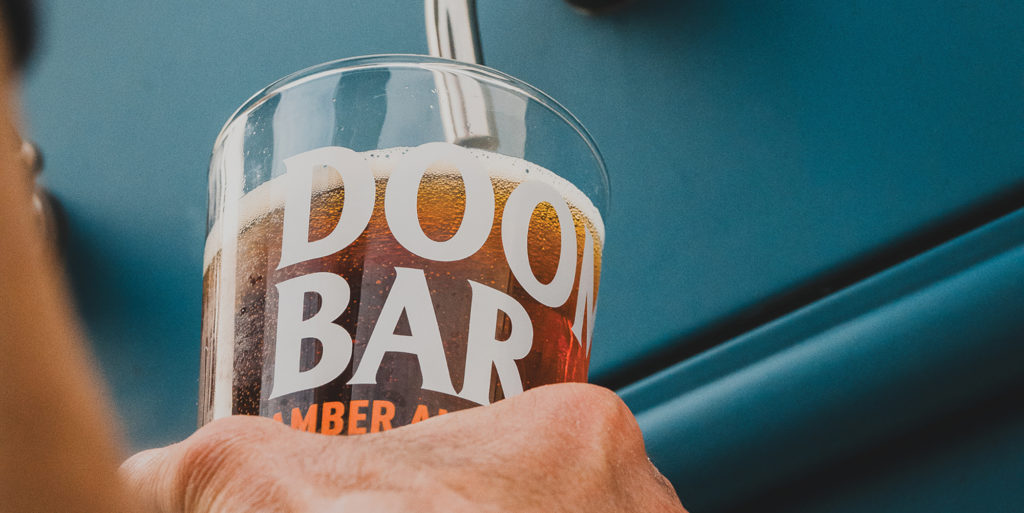
Armed with a glass of Offshore and Atlantic Pale Ale, two of Sharp’s stalwarts, we are welcomed by Ed before taking our seats with other curious souls. The occasion had the intimacy of a local pub where no topic felt off-limits. In fact, Ed was keen to emphasise that we should feel comfortable having free rein with any questions that came to mind and not be inhibited by being in the presence of a pair of culinary luminaries! He added that it was intended as an adjunct to the more formal demonstrations that would be taking place over the weekend at the festival. It was within this relaxed environment that we found out that Stéphane’s favourite film was The Shawshank Redemption, and a revelation from Henk on the duty on petrol and the general impact of taxation on hospitality. It really was that unshackled and tangential.
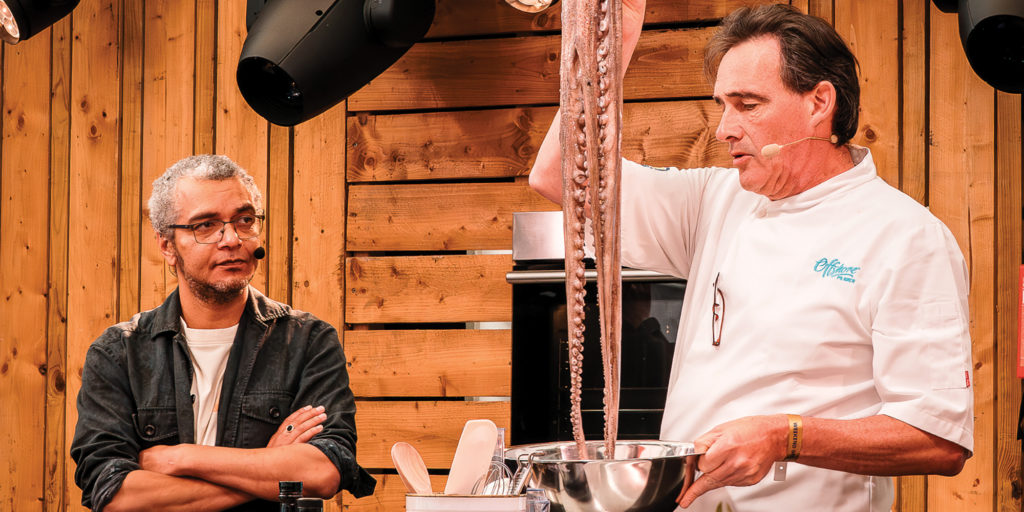
Some more grounded and pertinent conversations couldn’t help but surface as the event took shape. One of which was the issue impacting the traditional offshore industries at the moment – the ingress of Mediterranean octopuses into lobster pots. This surge has been driven by significantly warmer sea temperatures, marking the highest such increase since the 1950s. Octopuses are increasingly entering pots and devouring high-value crustaceans such as lobsters, crabs and scallops, often leaving only shells behind. While some crews profit from sizeable octopus catches, others, particularly lobster specialists, face serious losses, with many pointing to bylaws mandating escape holes for juvenile shellfish as inadvertently enabling the predation. As a consequence, this eight-legged mollusc is starting to feature more and more on the menus of restaurants up and down the peninsula. However, as Stéphane went on to explain, it is not just a question of placing it in the pan and heating it up, expecting it to be edible the moment it hits the plate. His method, honed over years in professional kitchens, begins with freezing the octopus for at least 24 hours before allowing it to defrost slowly in the fridge. It is then gently simmered (never boiled) in a pot of water with aromatics such as onion, carrot, celery and peppercorns until tender, typically after 45 to 60 minutes. To finish, he recommends grilling or cooking it on a hot plancha with a little olive oil for a smoky, crisp exterior, noting that cooling it fully in its cooking liquor helps preserve the skin.
From the land, there is also another species that is overabundant – deer. Henk believes venison should be treated with the same respect as high-end beef, prioritising flavour over tenderness, noting that while loin is soft, it can lack the depth found in cuts such as the haunch, and that sourcing from wild-stalked animals produces a cleaner, more refined taste than park-reared deer. He also stresses the importance of proper resting after field care, at least 24 hours before butchery, to avoid toughness, and approaches the craft as an art form, transforming every cut from mince to prime steaks into restaurant-quality dishes.
The combination of the calibre of the participants and the relaxed informality of the whole affair, made for a wonderful event; one that provided an opportunity to find out a little more about the people behind the dishes, encouraged in no small part by Ed’s welcoming entreaties (and the beer!).
SHARPS BREWERY
Rock, Wadebridge PL27 6NU
01208 862121
www.sharpsbrewery.co.uk