
Cornwall Living
Support from the Sky
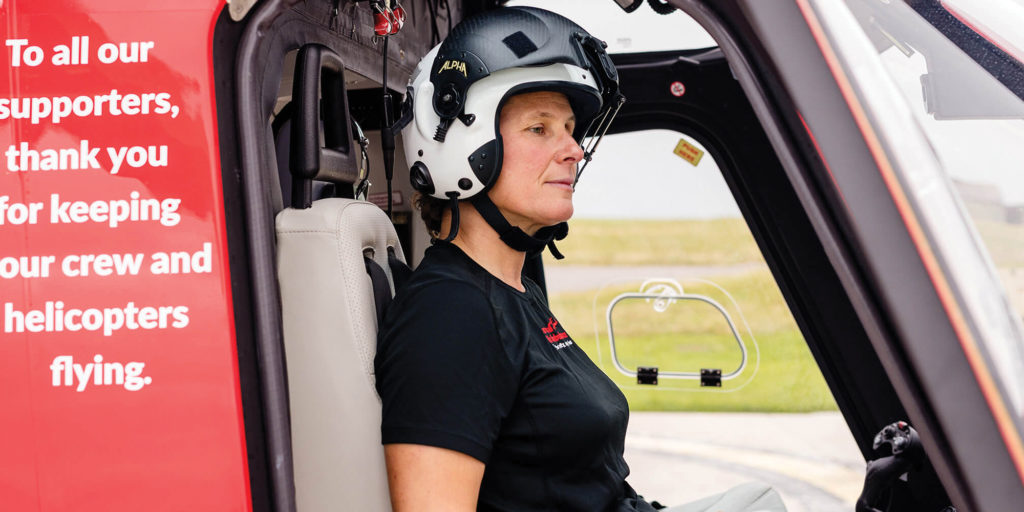
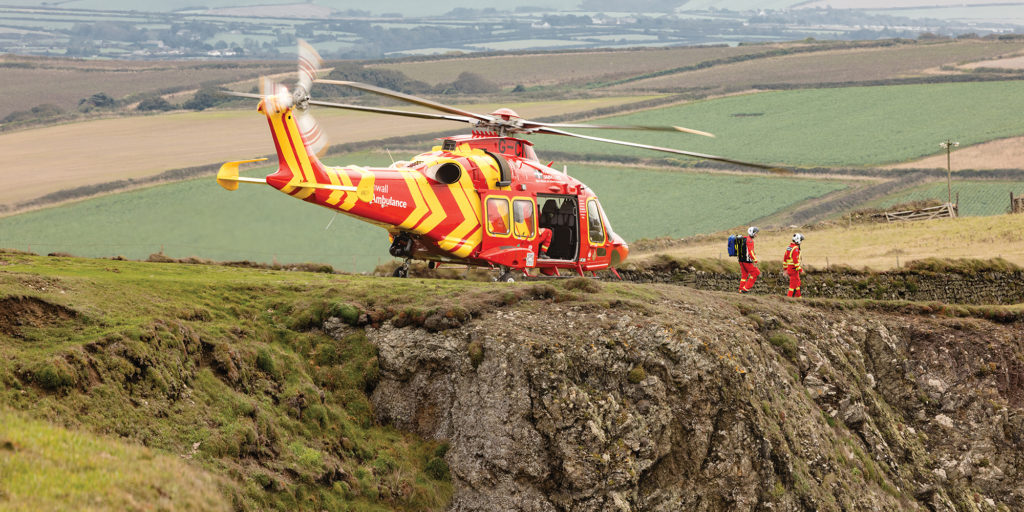
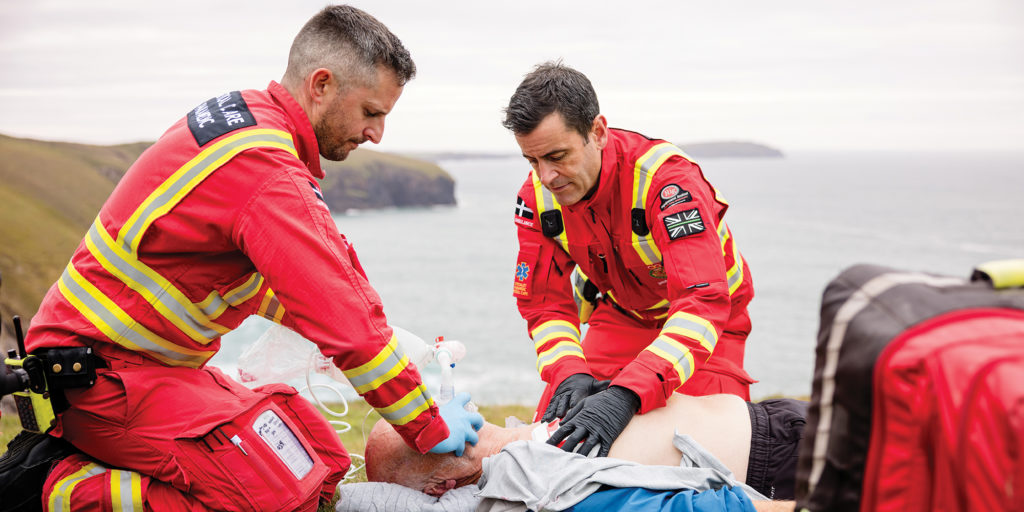
Cornwall Air Ambulance’s crew is made up of Critical Care Paramedics, Doctors and Pilots. Each role comes with vast experience and an invaluable skill set, with the team being at the forefront of their respective fields. We sat down with one of the charity’s Pilots, Captain Liv Milles, to find out more about what it takes to become a Helicopter Emergency Medical Service (HEMS) Pilot and her own personal career journey.
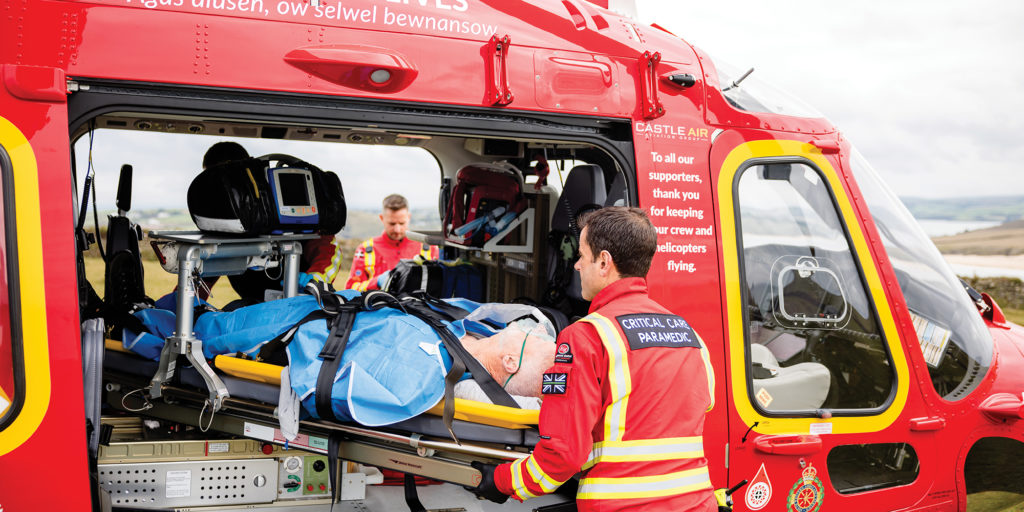
Liv says, “As a HEMS Pilot, our job is to take our high-level clinicians to a patient as quickly and safely as we possibly can, at a time when they need help the most and then, when necessary, transfer that patient to hospital in the very best manner.” Liv first realised she wanted to be a pilot when she was 24. “I recognised fairly quickly that a good route to pursue my ambition would be to join the military. It was a great decision for me as the flying training was exceptional.” The intense training with the Royal Navy took Liv on a journey from having never flown before to becoming an operational helicopter pilot. She qualified as a Sea King Pilot and flew in support of the Royal Marines and other land forces in operations around the world.
Liv’s next career move was to work for Search and Rescue, in both Cornwall and Scotland, going on to fly for Children’s Air Ambulance before joining Cornwall Air Ambulance as a HEMS Pilot. “By the time I entered the HEMS world, I had the right kinds of experience when it came to making time-critical decisions with incomplete information or a changing picture and dealing with unpredictable weather or difficult timelines.”
Being a HEMS Pilot comes with many challenges, not least being able to make the right decisions when weighing up the likelihood and logistics of reaching a patient and then moving them on to hospital. Liv says it is also important to learn to manage your own sense of urgency. “It’s difficult when you know there’s somebody who needs your help, but you can’t let that cloud your judgement. The clinicians in the crew will naturally be wanting to get to a patient as quickly as possible, but as the Pilot we must delicately balance the patient’s treatment with the aviation safety.”
“It’s hard to not get emotionally involved in what is happening with the patient, but my primary role is the safety of them and the clinicians. It’s important that as Pilots we try and manage our own emotions and focus on the job at hand.” When the helicopter lands at an incident and the clinicians commence treatment of the patient, the Pilots are immediately planning for a potential onward journey to the hospital and all options for the next stage, which is unfolding in real time. This will include factoring in fuel levels, the weather and daylight hours.
Another element of the job of a HEMS Pilot is keeping up with technological advances. When Pilots are not flying, they work on keeping their technical expertise up to date and ensure they are up to speed on the latest advances in air law and air traffic control. Liv believes that anyone aspiring to be a HEMS Pilot should have three essential skills. Firstly, they should be a good team player with the ability to work in small teams and be able to adapt quickly with who you are working with. Next, they must be good at flexible thinking, problem solving and decision making under pressure. Finally, they need to be self-reliant. “You’re the only aviator in the crew so you need to make sure you’ve covered all the bases. Nobody else can do that for you.”
All the hard work is worth it for Liv who says, “As a HEMS Pilot, you have genuinely contributed to making a difference and have been part of a team who have been there for someone at such a crucial time. It is incredibly rewarding.”
www.cornwallairambulancetrust.org
DISCOVER MORE...
Cornwall Air Ambulance is the UK’s first air ambulance service, with 2027 marking its 40th anniversary. The charity receives no direct government funding towards running costs and needs to raise over £9m a year to keep the service running. Therefore, the generosity of the people of Cornwall and the Isles of Scilly is vital.
To find out ways to support, head to
www.cornwallairambulancetrust.org/support


