



Cornwall Living
The new wellness landscape
Wellness in 2026 moves toward practical habits shaped by science.
Words by Jamie Crocker
Wellness in 2026 is moving toward something more grounded than the bold claims and
rapid-fire trends of earlier years; it is becoming defined by an understanding of both mind and body and the places that restore them. People are stepping back from the pursuit of dramatic transformation and embracing the fundamentals of consistency informed by the latest research. What emerges is a wellness landscape shaped by science, supported by nature and one that is strengthened by a sense of community.
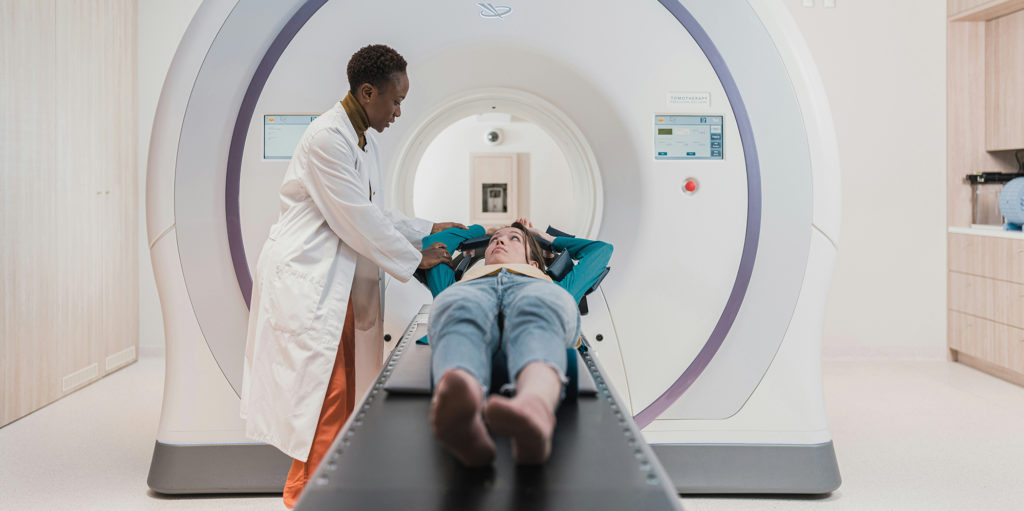
Central to this shift is the rise of practical, evidence-led routines. Long-term health planning is becoming an accessible part of everyday life. Longevity is now treated less like an abstract ambition but more as a realistic aim, in which strength, mobility and independence are maintained through decades rather than chased in fleeting bursts of motivation. Preventative care has expanded far beyond the annual check-up, encompassing advanced diagnostics and personalised data that illuminate how the body is functioning now and how it might fare in years to come. Genetic screening, microbiome mapping, hormonal assessments and whole-body scanning are increasingly used as routine tools, with telehealth platforms offering deeper insight and structured guidance. These technologies are shifting wellness from guesswork to informed strategy, allowing individuals to make clearer choices in their daily lives.
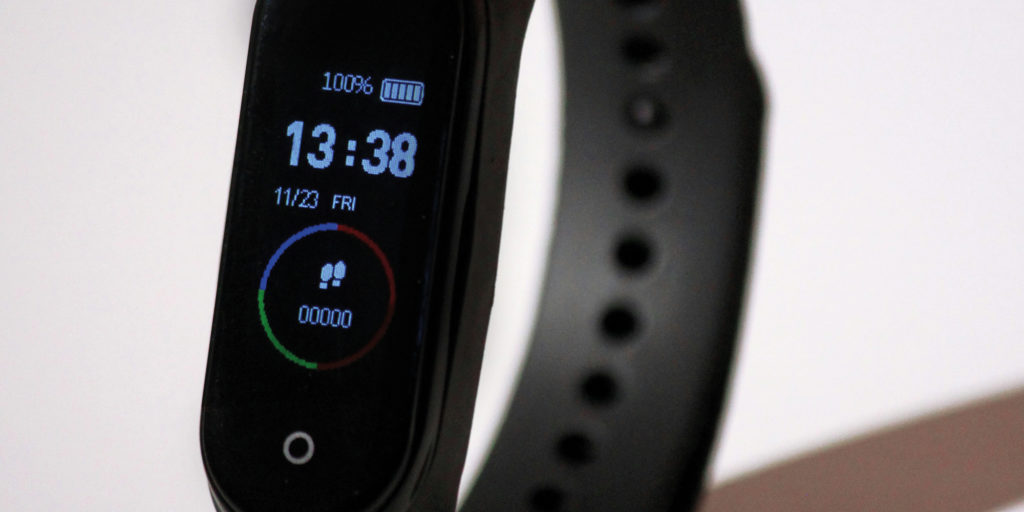
Wearable technology continues to play a crucial role in this steady evolution. Devices that capture sleep quality, glucose levels, movement patterns and heart rate variability have become trusted companions with personal AI-driven interpretations of data that offer tailored suggestions, such as food adjustments, training schedules that are precise.
Nutrition, too, has come under scrutiny. High-protein staples, fibre-rich options and gut-supportive ingredients have moved firmly into the mainstream as people recognise the profound effect gut health has on energy, immunity and mood. The interest in the stomach-brain connection has grown steadily, with research continually emphasising how microbial diversity influences emotional and cognitive health. As a result, fortified foods, probiotic and prebiotic blends and targeted supplementation form part of a more deliberate approach to eating; one that sits in sharp contrast to the decline in appetite for ultra-processed foods.
The rise of evidence-based living has clarified the importance of emotional and mental well-being. The maintenance of good mental health has moved beyond being a response to crisis and is now recognised as an ongoing practice. The nervous system, once overlooked, is now a focal point. Breathwork, cold immersion, structured rest, sound therapy and similar practices have become regular parts of weekly routines. They counterbalance the fatigue created by productivity culture and offer a means of stabilising mood, improving sleep and restoring focus.
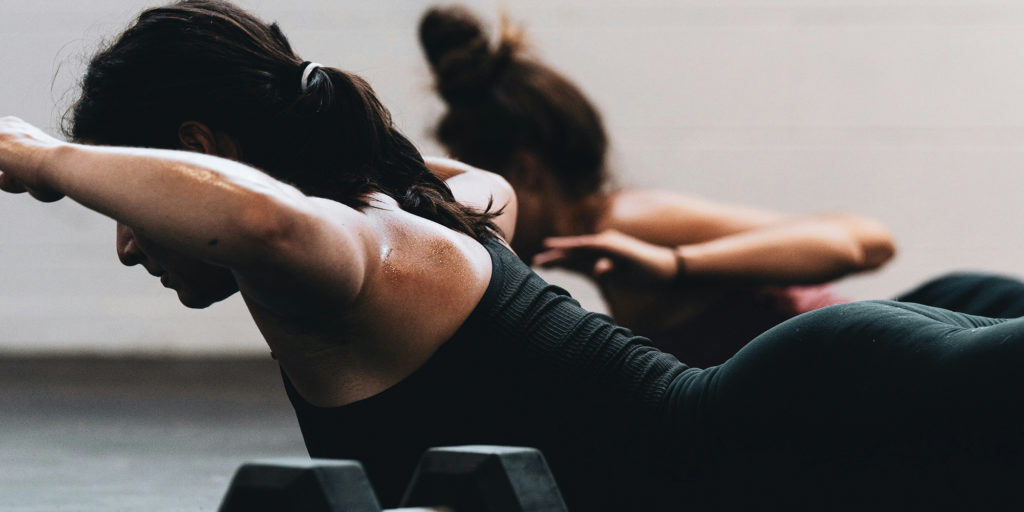
Somatic therapies, long considered fringe, have found their place within mainstream wellness. The idea that the body carries emotional patterns is no longer contentious, and many people have gravitated towards movement-led or breath-led approaches that offer relief without requiring lengthy introspection. Gone is the fixation on extreme training regimes. Hybrid fitness models, balancing strength training with yoga, pilates or mobility work, have become the norm, recognising that long-term capability relies on durability, range of motion and
muscular balance.
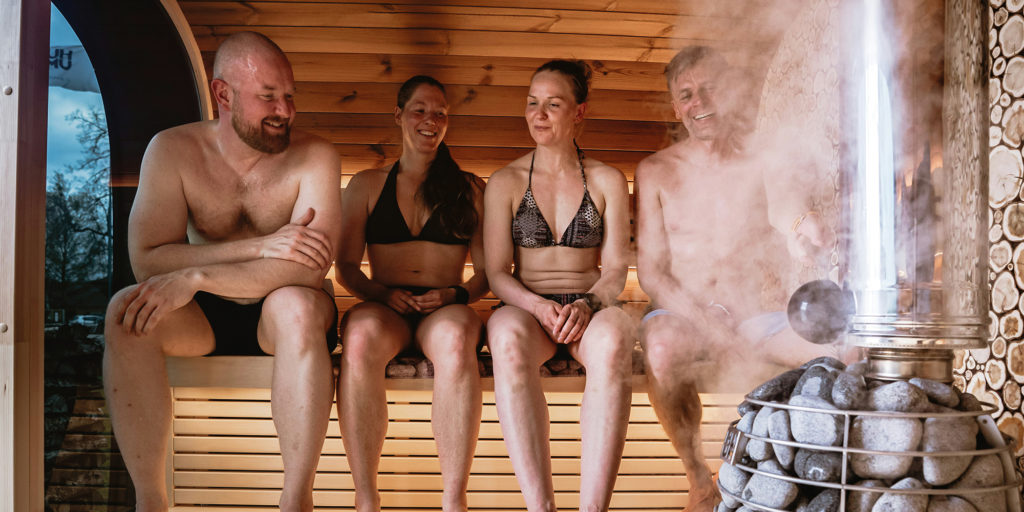
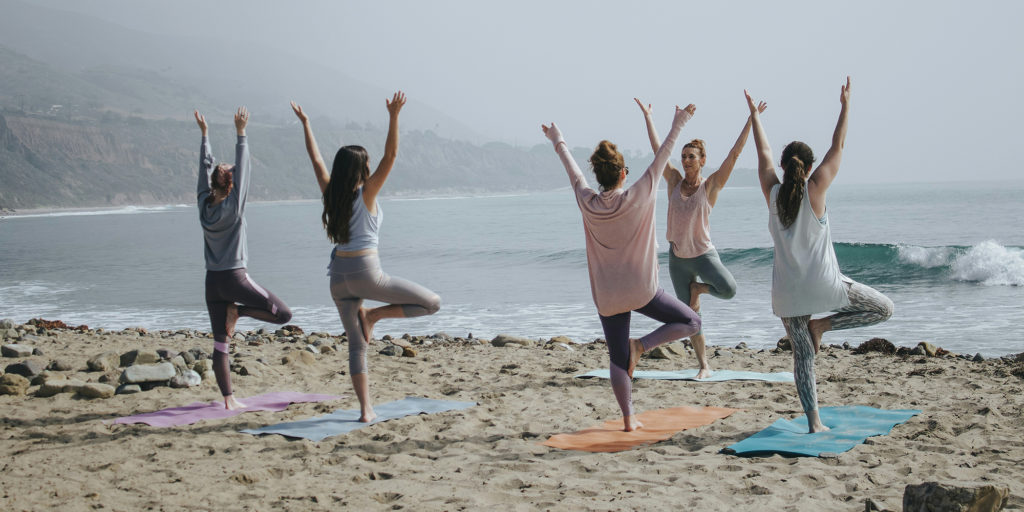
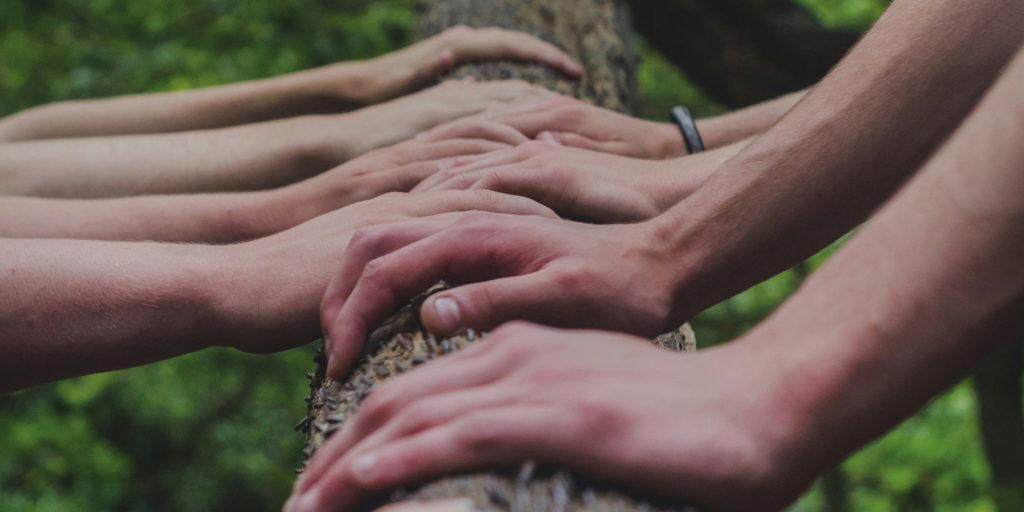
And as individuals refine their routines, many are rediscovering the importance of doing so together. After years in which digital workouts dominated, communal experiences are once again central to wellness. Group saunas, outdoor fitness sessions, shared sea swims, breathwork circles and multi-generational retreats are thriving as people seek connection. Social isolation has become one of the era’s most pressing concerns and wellness spaces are responding by offering environments where people can build supportive networks while restoring their health.
The movement towards inclusivity is strengthening, too, particularly in women’s health. Perimenopause and menopause have moved firmly into the public conversation, and support is finally catching up. Workplaces are implementing policies that recognise physiological changes, while supplements, training programmes and recovery protocols designed for female physiology are expanding. The shift acknowledges that women’s health is not a niche issue but a fundamental part of the wellness landscape.
Alongside this growing personalisation, a significant thread is shaping wellness: the return to nature as a grounding force. More people are seeking spaces that provide calm, simplicity and a sense of belonging. Landscapes that encourage reflection, such as coastlines, forests, and mountainous terrain, are being recognised not only for their physical beauty but for their restorative power.
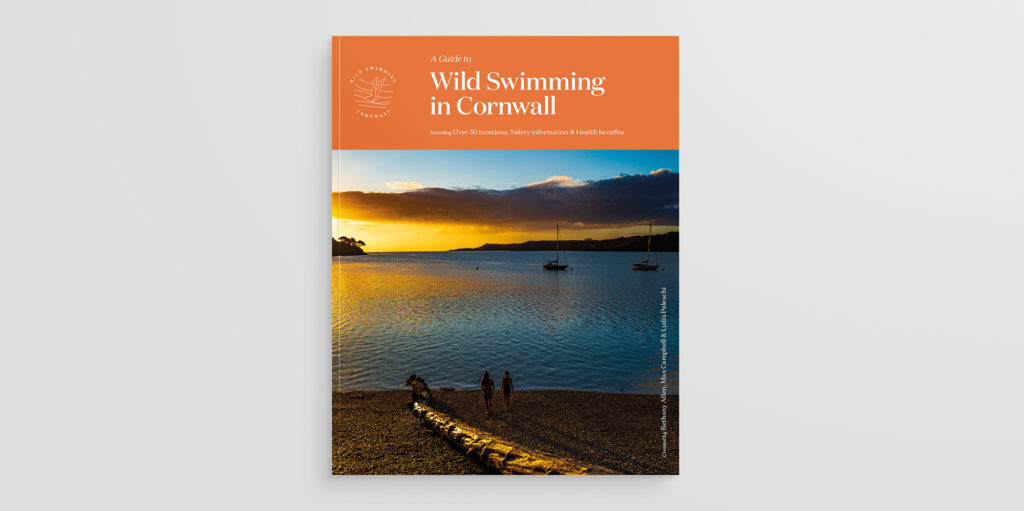
Water, especially, holds a distinct place within this evolution. Saltwater swimming, hydrotherapy and immersion in natural pools have seen a notable rise in popularity. These experiences, long associated with physical healing, are now understood to offer emotional clarity as well. Improved circulation, muscle recovery and nervous-system regulation are common benefits, but the psychological uplift is often the deeper draw. Many retreats have expanded their offerings to include thalassotherapy and mineral-rich bathing, harnessing the unique properties of natural water sources.
This integration of place and practice is often paired with an increased commitment to sustainability. Many wellness destinations now operate with environmental consciousness at their core, adopting renewable energy, low-impact building methods and locally sourced materials. For many seekers, the knowledge that their well-being has been nurtured without harming the landscape around them enhances the sense of harmony and fulfilment.
Nutrition plays a similar role in these settings. Retreats frequently centre their culinary approach on plant-forward, locally sourced menus that nourish both body and mind. Meals are designed to support digestion, stabilise mood and sustain energy, reinforcing the idea that wellness should be an integrated way of living. Cooking workshops and nutrition sessions offer guests the skills to continue these habits at home, strengthening the continuity between retreat life and daily life.
Movement within these natural environments takes many forms. Whether through hiking, cycling, surfing or kayaking, people are finding joy in activities that engage both body and landscape. Adventure-focused wellness has gained momentum, offering experiences that challenge physical strength while developing mental resilience.
Holistic practices such as yoga, meditation and mindfulness remain essential elements of this landscape. Sound therapy, guided meditation and breath-led practices help individuals reconnect with themselves and with their surroundings, creating pockets of stillness that counterbalance the pace of modern life.
Throughout this widening landscape, one theme remains consistent: wellness is most effective when it acknowledges the interconnectedness of all aspects of life. It is not limited to the physical body or the pursuit of self-improvement but embraces emotional balance, community bonds, environmental responsibility and the cultivation of habits that endure.
Ultimately, the wellness landscape of 2026 is defined by its approach – one of wholeness. As awareness deepens and priorities shift, wellness is becoming less of an escape and more of a way of being. Whether through evidence-led routines, restorative encounters with nature, mindful nourishment or shared experiences, people are crafting a future in which wellbeing is not an aspiration but an everyday practice.
DISCOVER MORE…
To embrace some of the ideas in this article, here are a few suggestions of places that offer them:
Saunas By The Sea – saunasbythesea.co.uk
Penventon Park Hotel – penventon.co.uk
St Michaels Resort – stmichaelsresort.com
St Moritz Hotel – stmoritzhotel.co.uk
Healing on The Harbour – healingontheharbour.com
Old Lanwarnick – oldlanwarnick.co.uk
The Point at Polzeath – thepointatpolzeath.co.uk
Wild Edges Tallow – wildedgestallow.co.uk
MoveWell – movewelluk.com